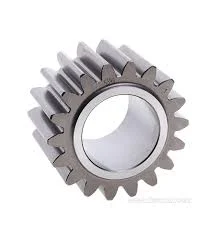


Why Choosing the Right Starter Drive Matters
A starter drive may be a small component, but its performance directly affects engine starting reliability. For automotive parts distributors, repair shops, and wholesale buyers, selecting the wrong starter drive can lead to poor engagement, excessive wear, repeated returns, and unnecessary maintenance costs. Even when two products look similar, differences in tooth count, dimensions, engagement design, and application compatibility can make them unsuitable for the same starter motor.
Choosing a starter drive based only on appearance or price is risky. Buyers need to verify the part number, technical dimensions, and intended application before placing bulk orders. A reliable sourcing decision should also consider product consistency, supplier communication, and long-term availability. These factors are particularly important for distributors serving multiple vehicle models and replacement-part markets.
How to Choose the Right Starter Drive for Different Engine Applications
Pan Nation, a brand associated with Taitech, supports B2B buyers looking for automotive starter components and manufacturing supply solutions. When sourcing a starter drive, buyers should prioritize application compatibility, dimensional accuracy, consistent quality, and dependable supplier communication. Confirming these details before ordering helps reduce fitment problems, returns, and avoidable purchasing costs.
The correct starter drive depends on the starter motor design and the engine application. A part that works in one assembly may not fit another, even if the external appearance is similar. Before requesting a quotation, provide the original part number, starter motor model, available dimensions, and vehicle or engine information whenever possible.
1. Understand the Function and Main Components of a Starter Drive
A starter drive, often associated with a Bendix-type drive in automotive applications, transfers rotational force from the starter motor to the engine’s flywheel or ring gear during cranking. Its engagement mechanism allows the starter to turn the engine and then disengage as the engine starts, depending on the specific design.
Key Components to Check
- Pinion gear: The gear that engages with the engine ring gear. Tooth count, tooth profile, and gear dimensions are important for compatibility.
- Drive mechanism: The mechanism that moves or engages the pinion according to the starter design.
- Shaft interface: The connection between the drive and starter shaft. Incorrect dimensions can prevent proper installation or operation.
- Clutch or overrunning mechanism: Where fitted, this mechanism helps prevent the running engine from driving the starter motor excessively after startup.
- Return or engagement components: These vary by design and influence how the drive engages and disengages.
Not every starter drive uses exactly the same construction. Buyers should therefore compare the original component with the replacement specification rather than assuming that all starter drives share a universal design. For wholesale orders, documenting these differences also makes repeat purchasing easier.
2. How to Identify the Correct Starter Drive
Correct identification is one of the most important steps in automotive parts sourcing. A starter drive may have the right general shape but still fail to fit because of a different tooth count, shaft interface, overall length, or engagement configuration.
Information to Provide Before Ordering
- Original part number: Use the number on the existing component or the relevant parts catalogue when available.
- Starter motor number: The starter assembly number can help narrow down compatible replacement options.
- Pinion tooth count: Count the teeth carefully and confirm the gear design.
- Critical dimensions: Measure overall length, shaft interface, pinion diameter, and other application-specific features.
- Vehicle or engine details: Include the make, model, engine version, and production year where relevant.
- Reference images: Clear photos from several angles can help clarify physical differences, but they should supplement rather than replace dimensional data.
Starter Drive Identification Checklist
| Check item | What to verify | Why it matters |
|---|---|---|
| Part number | Original or cross-reference number | Helps identify the intended replacement |
| Pinion gear | Tooth count, diameter, and tooth profile | Supports correct engagement with the ring gear |
| Shaft interface | Connection dimensions and configuration | Helps confirm fit with the starter assembly |
| Overall dimensions | Length and other critical measurements | Reduces installation and clearance problems |
| Application | Starter model and engine information | Helps prevent incorrect part selection |
If any key information is missing, ask the Manufacturer or Supplier to confirm compatibility before approving a bulk order. Do not rely on a visual match alone when the component must fit a specific starter assembly.
3. Starter Drive Requirements for Different Applications
Different engine and starter configurations may require different drive dimensions, gear specifications, and engagement mechanisms. For distributors, the most practical approach is to organize products by verified application and part number rather than by appearance alone.
Application Comparison
| Application type | Important checks | Purchasing priority |
|---|---|---|
| Passenger cars | Starter model, engine version, pinion specifications | Accurate vehicle and part-number matching |
| Light commercial vehicles | Starter configuration, shaft interface, engagement design | Compatibility and repeat-order consistency |
| Heavy-duty applications | Application-specific dimensions and operating requirements | Verified specifications and suitable product selection |
| Replacement parts distribution | Cross-reference data and product identification | Stable supply and reduced returns |
These categories are a starting point, not a universal specification. Actual requirements depend on the starter assembly and engine design. Before purchasing, confirm the exact application and relevant technical data with the supplier. For distributors handling a wide product range, a consistent identification process can also improve inventory management and reduce incorrect shipments.
4. Why Do Starter Drives Fail Prematurely?
Premature starter drive failure can result from several factors. Identifying the underlying cause is important because replacing the drive alone may not resolve a problem caused by another component in the starting system.
Common Causes of Failure
- Incorrect part selection: A mismatched pinion or shaft interface may cause poor engagement, interference, or abnormal wear.
- Worn ring gear: Damage to the engine ring gear can contribute to noisy or inconsistent engagement.
- Repeated starting attempts: Excessive cranking or repeated engagement can increase stress and heat in the starting system.
- Electrical or starter motor problems: Insufficient voltage, poor electrical connections, or starter motor faults may affect engagement performance.
- Contamination or lubrication issues: Dirt, corrosion, or unsuitable lubrication conditions may interfere with moving parts, depending on the design.
- Inconsistent component quality: Variation in critical dimensions or component performance can affect fit and service life.
When a returned product shows signs of failure, inspect the complete starting system before assigning the cause to the starter drive. Check the pinion, ring gear, starter motor, electrical connections, and installation condition. For wholesale buyers, recording failure symptoms and application details helps suppliers investigate recurring problems more effectively.
5. How to Evaluate Starter Drive Quality Before Bulk Purchasing
For B2B buyers, quality evaluation should cover more than the appearance of a sample. The goal is to confirm that the product matches the required specification and that repeat orders can be identified and checked consistently.
Quality and Supplier Evaluation Points
- Dimensional consistency: Ask how critical dimensions are checked and recorded.
- Material and durability information: Request relevant technical information or test evidence where available.
- Application verification: Confirm part numbers, cross-references, and compatibility details before production or shipment.
- Sample approval: Compare a sample with the original part or an approved drawing before committing to a larger order.
- Batch consistency: Discuss how the supplier identifies products and handles repeat orders.
- Packaging and labelling: Confirm the product label, quantity per package, and any traceability information required by your business.
- After-sales communication: Agree on the information needed to investigate fitment issues or product complaints.
Buyers should request only the certificates, inspection records, or test reports relevant to the product and the supplier’s actual capabilities. Avoid treating a general quality statement as a substitute for application data or documented verification.
6. How to Choose a Reliable Starter Drive Manufacturer or Supplier
A reliable Starter Drive Manufacturer should be able to communicate clearly about product identification, specifications, order requirements, and delivery arrangements. For overseas distributors, clear communication before production can prevent expensive mistakes later.
Questions to Ask a Potential Supplier
- Can you verify the product using our part number, drawing, or sample?
- Which critical dimensions and specifications can you confirm?
- What is the minimum order quantity for the requested product?
- What are the estimated production and shipping lead times for this order?
- Can you support product labelling or Customizable packaging requirements?
- What information is required if a compatibility or quality issue occurs?
- Can you provide relevant inspection records or product documentation when available?
For a wholesale business, the lowest unit price is not always the lowest total cost. Incorrect parts, delayed replenishment, unclear specifications, and difficult after-sales communication can reduce margins. Compare suppliers using product fit, quality evidence, communication, delivery planning, and total purchasing cost.
7. OEM, ODM, and Customizable Starter Drive Supply
Different buyers may have different requirements for replacement parts, product identification, and packaging. Before discussing OEM or ODM cooperation, define the scope clearly. These terms can refer to different development, manufacturing, or branding arrangements depending on the agreement, so buyers should document exactly what is included.
Information to Prepare for a Custom Order
- Target part number, drawing, or approved reference sample
- Required dimensions and technical specifications
- Expected order quantity and repeat-order forecast
- Logo, label, or packaging requirements for Customizable products
- Sample approval process and acceptance criteria
- Required documentation, delivery schedule, and shipping terms
Clear written specifications help both parties understand the order and reduce the risk of disagreement. Any requested changes to dimensions, materials, branding, or packaging should be confirmed before production. Buyers should also agree on how samples are approved and how any later specification changes will be managed.
Conclusion: Source Starter Drives with Confidence
Choosing the right starter drive requires accurate identification, verified compatibility, consistent quality checks, and a dependable supply partner. Contact Pan Nation / Taitech at sales@taitech.cn with your part number, dimensions, or application details to discuss your B2B sourcing requirements.