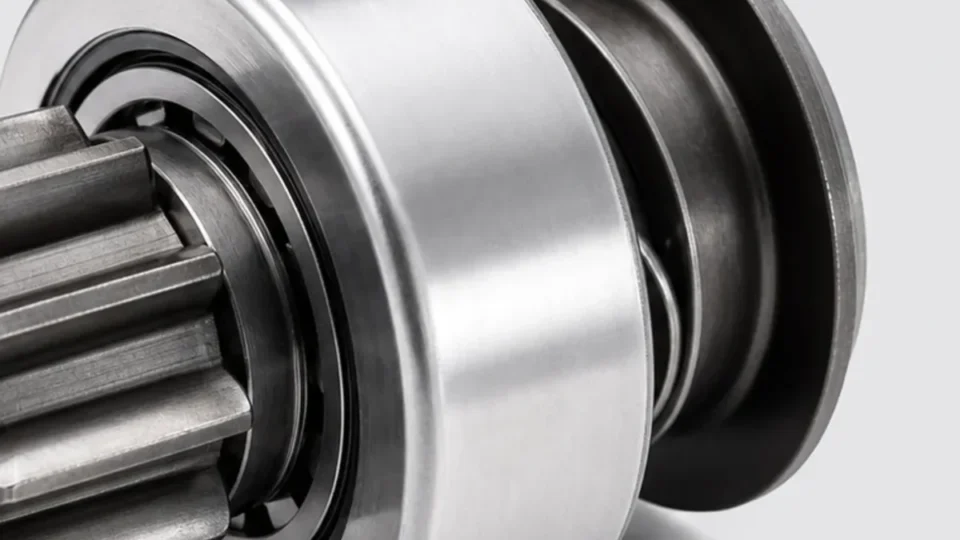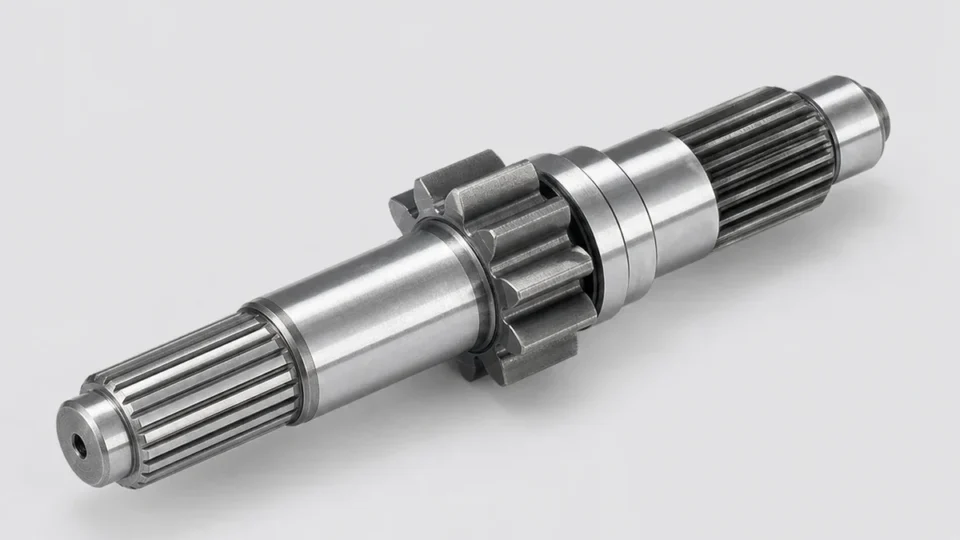


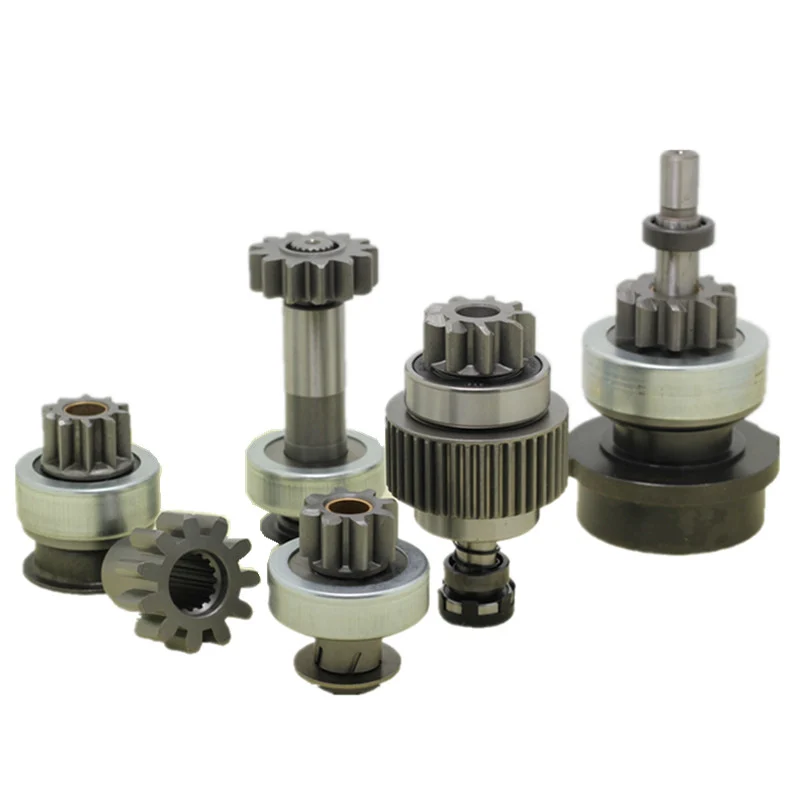
Keep a new starter drive lot separate from rebuild stock until you have verified the identity, inspected the received condition and checked the features specified in the order. Match each lot to the approved drive and starter references. Use the drawing and receiving plan to decide which dimensions and fit observations belong on the report.
Match the paperwork to the unopened cartons
Put the purchase order, packing list and approved reference list together. Compare the part number and suffix, revision where marked, supplier lot and quantity per box. The suffix can carry an application or design change, so record it exactly as printed. If several revisions are approved, the receiving sheet should show where each may be used. Put the lot code next to the result so the rebuild team can trace a drive to its receipt later.
Inspect the cartons for crushed corners, punctures, wetting and broken partitions before opening them. Photograph anything that might explain damage to the contents. Record which cartons were affected, and keep the original labels with the photographs. If a shipment includes damaged and undamaged cartons, document how you kept them separate. Take samples as required by the agreed plan and keep the carton or sublot identity through inspection.
Use a consistent visual route on each sample
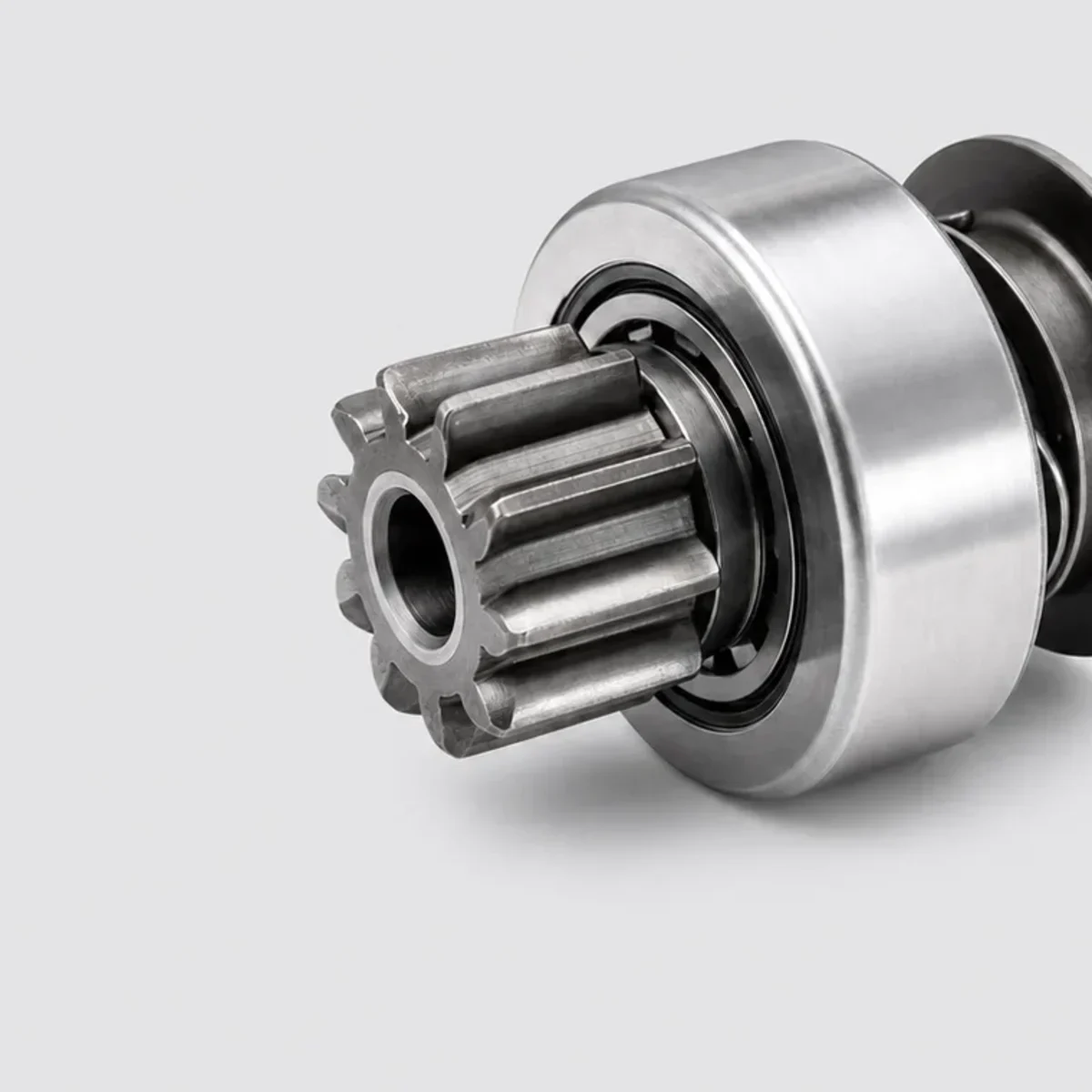
Start at the pinion and follow the surfaces that enter or locate in the assembly. Check tooth tips and flanks for chips, burrs, corrosion or impact marks. Inspect the spline entry and working area for raised material or damage. Review the locating shoulders, flange and clutch housing for signs of handling damage. Use the applicable visual criteria and preserve a photo of the condition when the finding needs disposition.
A bright mark on a shoulder can come from several sources. Record the location and size as required, then check whether it affects a locating face or a surface that moves. If the mark needs investigation, keep the sample in its received state. A part cleaned or reworked before documentation may no longer show the original evidence. If cleaning is part of the approved check, record when it was done.
| Receiving step | Record at the bench | Decision to make |
|---|---|---|
| Identity and quantity | PO, approved drive and starter references, supplier lot, carton and sample IDs | Group only parts that belong to the same traceable lot |
| Visual condition | Surface, defect location, sample ID and photograph if required | Apply the approved visual criteria and isolate affected pieces |
| Dimensional checks | Drawing revision, specified feature, datum or locating surface, gage and reading | Compare results measured on the same basis with the specified limit |
| Direction and fit screens | Mating reference, setup and actual observation | Record what the approved receiving checks establish |
| Lot disposition | Accepted and held quantities, issue reference and release authority | Keep mixed or suspect material out of production until resolved |
Measure from the same surfaces used on the drawing
Suppose the drawing specifies an engagement length from a locating flange. Measuring to the end of the housing gives another dimension even if both readings are consistent. On the receiving sheet, name the drawing datum and the feature measured. Define the contact face, measuring direction and condition of the part. For a gage result, identify the gage or controlled shaft and the condition under which the fit was checked.
Select the characteristics from the approved plan. A buyer might need the pinion outside dimension, sleeve interface or recess depth, depending on what controls the installation. Avoid substituting overall length for a specified locating dimension. Keep actual values where the receiving plan requires measurements. If a fit check or gage result is used instead, record the observation and what feature it covers.
Report the direction screen at its proper level
If the plan calls for checking the one-way action, name the held and moving members and the end from which the inspector views the drive. Record the action in each direction for the identified sample. A result such as “locks in the specified direction” should be easy to trace to the drawing or receiving instruction. Keep any torque, drag or endurance qualification evidence with its own method and test conditions.
Decide in advance what to do if a sample fails the direction screen or stops during a specified travel check. Put the affected quantity on hold and preserve the original orientation and lot information. If the result changes when a sample is checked on a second reference, compare the references before clearing the hold. A repeat result against the approved condition is the one the disposition should address.
Close a mixed-lot problem without losing traceability
Suppose two findings come from one delivery. A drive in one carton has a chipped pinion tip. Another carton carries a suffix that differs from the order. Record the chip as a condition issue and the suffix as an identity issue. The first may call for damage review of material exposed to the same handling. The second needs confirmation of the part number and revision before the contents can be matched to the approved list.
Give each hold an owner and a record of the quantity involved. If the supplier proposes sorting or replacement, agree on how the corrected stock will be identified and rechecked. Release accepted material with its own lot reference. If the purchase calls for approval of initial production samples, agree that evidence separately from routine receiving results. First article inspection for drivetrain parts.
Hand the rebuild team an identifiable quantity
Record the quantities that were received, sampled, accepted and held. If a portion of the delivery can be released, identify the cartons or trays covered by that release. Keep the approved part reference and lot on the bin label when drives are moved into production. When material is split across work orders, the rebuild record should let the team trace which lot went into each relevant batch of finished starters.
A receiving report is easier to use if it says what happened to each exception. The resolution might record a corrected label, an engineering approval for a particular variant, a sorted quantity or a replacement shipment. Keep the original observation with the resolution. If a supplier sends a corrected lot, perform the checks required by the disposition and give it a traceable receipt. This gives the next shift a clear record of which parts can be drawn from stock.
For recurring shipments, compare new findings with the accepted reference and previous lot results. A change in an appearance feature or measurement trend can prompt a drawing and process review even where the current results meet the limit. Refer the observation to the responsible team with the actual readings and lot records. Any change to acceptance or sampling belongs in the controlled receiving plan.
Keep the complete starter’s final functional test with the rebuild record. The incoming report follows the drive as a received part. The final test follows the finished unit and the approved configuration. A requirement for results on both records should name the part or assembly it applies to.
For a rebuild supply inquiry, send the approved starter and drive list, the receiving characteristics and the traceability information required on each box. Include any inspection or sample report the next order must carry. Discuss starter drive supply and receiving requirements.