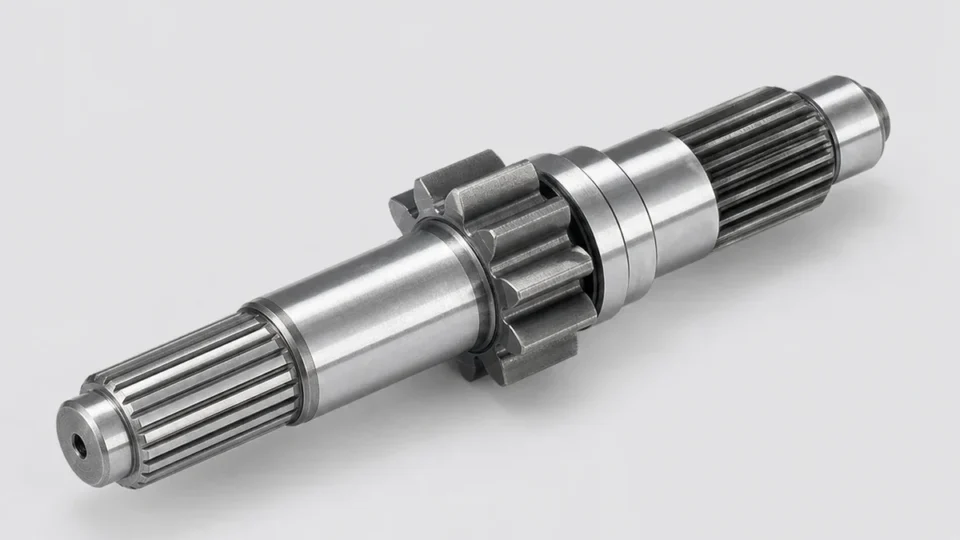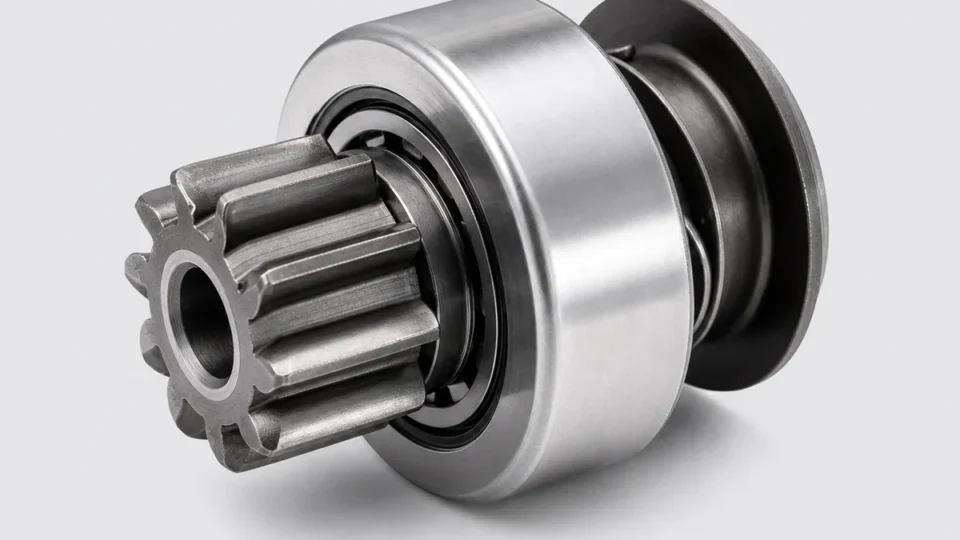


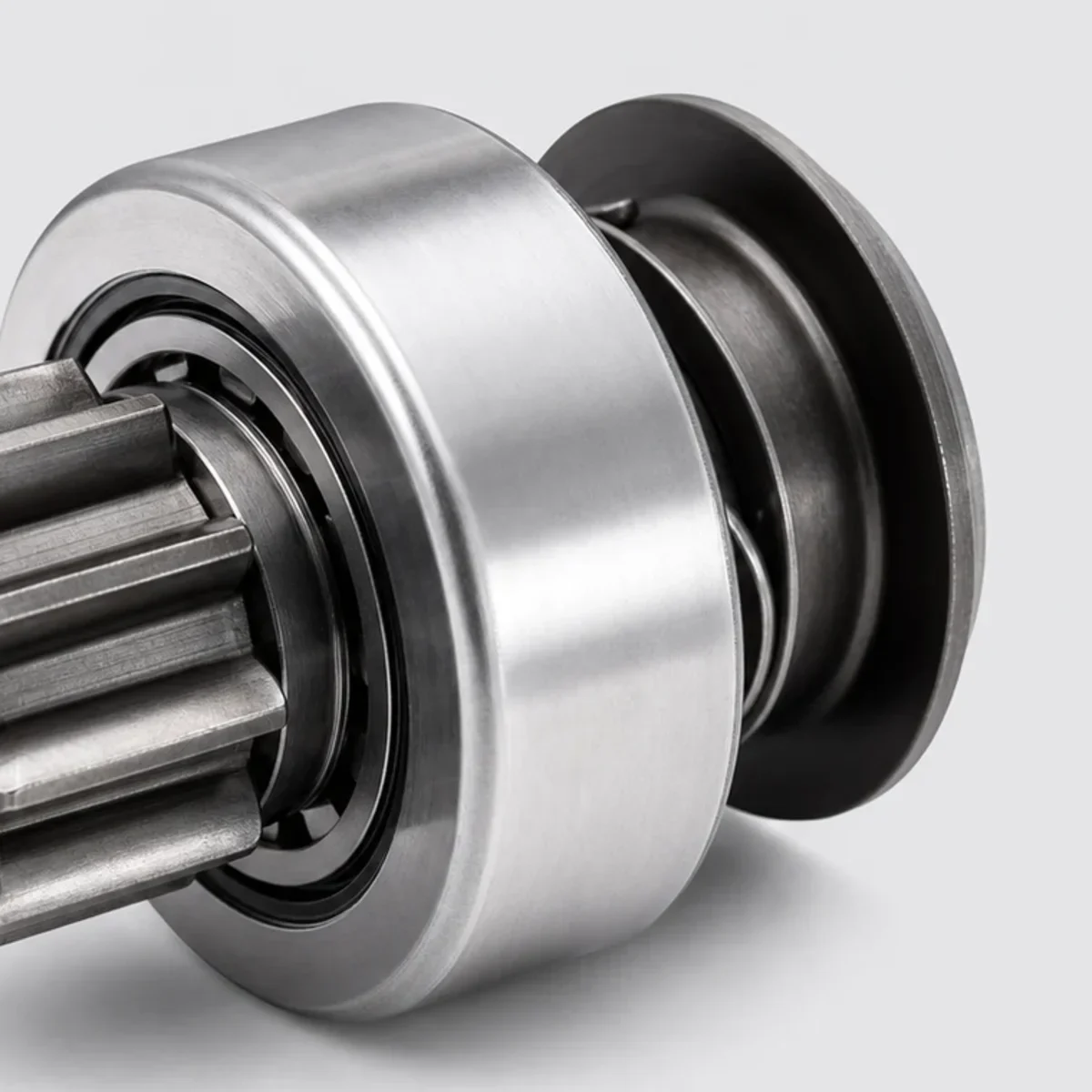
Ask for three results when a loose starter drive needs a functional test. Which relative direction does the clutch lock in? How much torque must it hold under the agreed load profile? What drag does it produce while overrunning at the specified speed and temperature? A successful hand check answers the first question at screening level. The other two require a defined fixture and measured results.
Identify the two members before assigning direction
A one-way starter clutch transfers torque toward the pinion during cranking and permits relative motion when the engine drives the pinion faster. Mark the held member, moving member and viewing end on the test sheet. If an inspector holds the sleeve and turns the pinion, that observation must be compared with a specification written for the same setup. Otherwise, a reversed direction can be a reporting difference rather than a failed clutch.
A direction screen can also reveal roughness, intermittent engagement or a part assembled in an unexpected orientation. Ask the receiving team to record what was observed and the sample ID. Reserve acceptance against a load or drag limit for the bench procedure specified for that part. The functional report should show each result in its own field.
Specify where the test applies torque
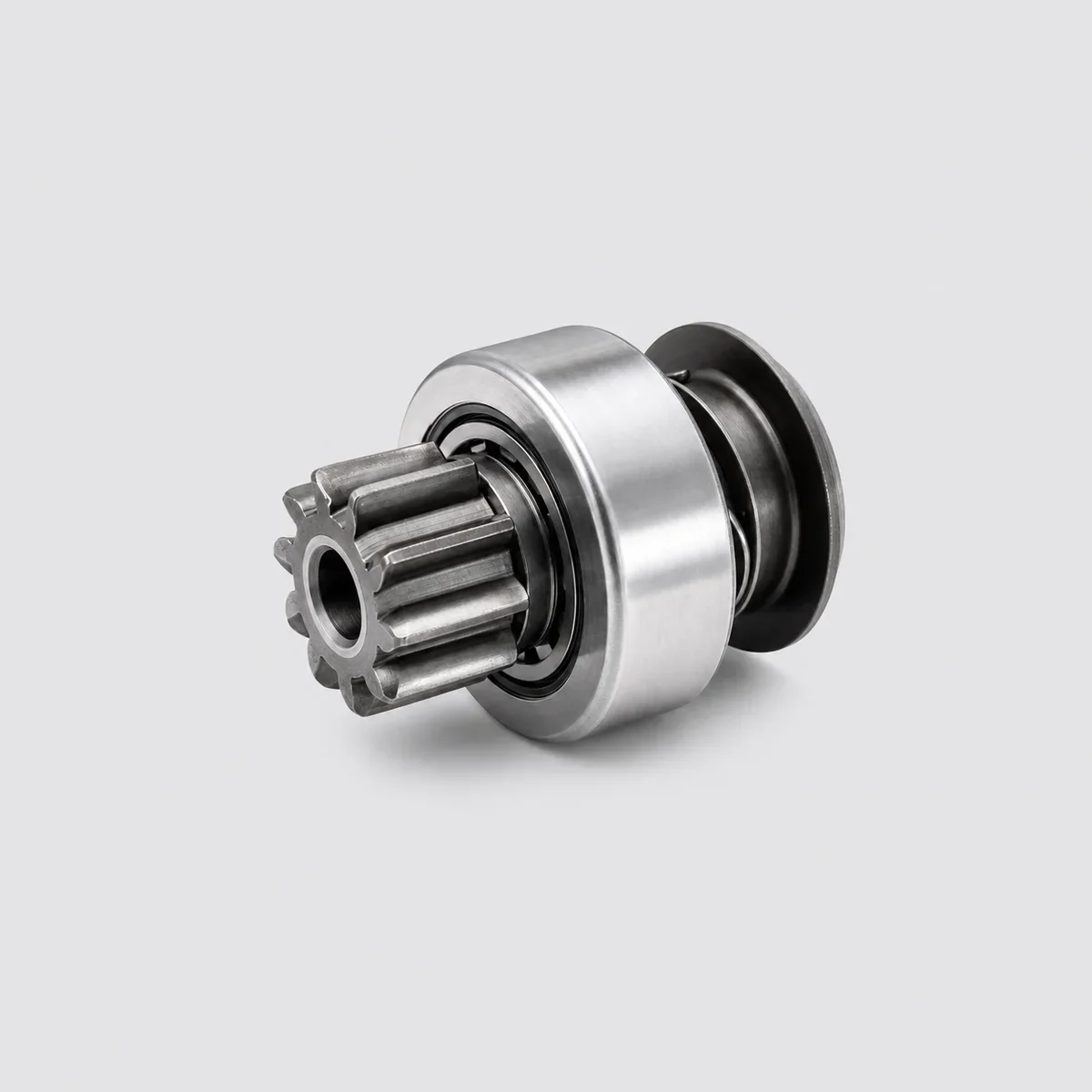
Put the drive revision and mating references on the fixture drawing or procedure. Identify where the fixture supports the assembly and which interface applies and reacts torque. A grip that introduces clamping loads the part does not see in service can change the result. The test owner should establish how the fixture fits the approved component, and whether a reference shaft, adapter or representative interface is required.
State the temperature and specimen condition, including required lubrication if applicable, before defining the load profile. Record the position of the torque measurement and the motion channels used to detect slip. A value measured through a transmission or adapter needs a stated basis if the acceptance limit is defined at the clutch. Use qualified personnel and guarded equipment for powered or loaded checks.
| Acceptance question | Define before the run | Ask the report to show |
|---|---|---|
| Does it lock in the required direction? | Fixed and moving members, viewed end and expected action | Observed lock and freewheel directions for each sample |
| Does it hold the specified load? | Torque location, load history, dwell, temperature, support and slip criterion | Applied torque and relative movement over the specified interval |
| How much drag is present in overrun? | Relative speed, direction, temperature, lubrication and fixture baseline | Drag torque and the method used to account for the bench contribution |
| What condition is the part in afterwards? | Inspection timing and the features or damage criteria in scope | Observed condition, sample disposition and supporting records as required |
Distinguish seating movement from continuing slip
When load first rises, an angular reading can include clearance in the connection, seating inside the clutch and elastic deflection of the test setup. Ask the test owner to define the period and measurement basis used to detect continued relative movement after the clutch has seated. If motion keeps accumulating while the torque holds at the specified level, retain the motion and torque records together. That lets the reviewer check the reading against the agreed slip definition.
Xue and Pyle discuss drive slippage and barrel cracking as failure modes in roller one-way clutches for starter drives. If the program includes a check for distress after loading, agree where the reviewer will look and how nonconforming parts will be retained for evaluation. A report of holding torque addresses one part of that review.
Make a drag result comparable across fixtures
A bench can contribute its own drag through bearings, seals and adapters. If you compare two reports, check the test speed, temperature, fixture and baseline method before comparing the figures. Ask the lab to distinguish a raw reading from the result reported for the part. If the fixture contribution drifts with temperature or speed, the test plan should say how it will be checked under the conditions in use.
Suppose one supplier reports an average during a stable overrun interval and another reports the maximum during acceleration. Both can be legitimate observations. To make an acceptance decision, agree which part of the trace the limit applies to. Ask for the original trace if the result is close to the limit or if the bench recorded spikes that would be lost in a single reported average.
Set the lot release rule before ordering samples
Use the drawing owner’s requirements for the specified starter and drive. Give direction, torque and drag their own limits or observations as applicable. State which results come from samples and which checks apply to all units under the order. If the program needs overload evaluation or teardown, mark those parts as test samples and keep them separate from stock for shipment.
Ask who owns the disposition if one sample meets the torque limit but shows an unusual movement trace or external distress. Keep the drive reference, sample identity, lot and test revision together so a follow-up run can reproduce the actual conditions. For a drive supplied into a rebuild program, the complete starter still needs its own release evidence under the customer’s assembly requirements.
Review a report with one incomplete result
Suppose a sample locks in the expected direction, the load record reaches the specified torque, and the drag result is higher than expected. First check the overrun test conditions and which result the report calls drag. Compare the logged speed and temperature with the procedure, then check the baseline recorded for that fixture. If the bench contribution is unknown, retain the original reading and ask for the approved baseline check. A successful holding result cannot resolve the drag acceptance item.
Now suppose the report gives a peak torque but no relative-motion data during the required dwell. The result shows what the bench recorded at the peak. Ask the test owner whether the specimen held the specified condition for the required interval and how slip was measured. If the run lacks the required channel or time window, record the item as unresolved and agree on a repeat using the same approved drive reference and setup.
Use a report revision that names the limits and the evidence for each result. Keep measured values with their units, the applicable operating conditions and the inspection after loading. If a new fixture or instrument changes the measurement basis, agree how results will be compared with the previous method before applying the same acceptance threshold. A change record should identify which old approvals it affects and which parts must be rechecked.
For an approved sample, retain the final report and the part’s disposition. If the test leaves the part in a condition that disqualifies it for shipment, mark that on the sample record. The buyer can then use the test evidence to support the lot decision without losing track of which physical pieces were used.
Send the drive and intended starter references, lock direction convention, approved load and drag conditions, and sample reporting requirements. If only an existing report is available, include it with the inquiry so the measurement basis can be checked. Discuss starter drive test requirements.