

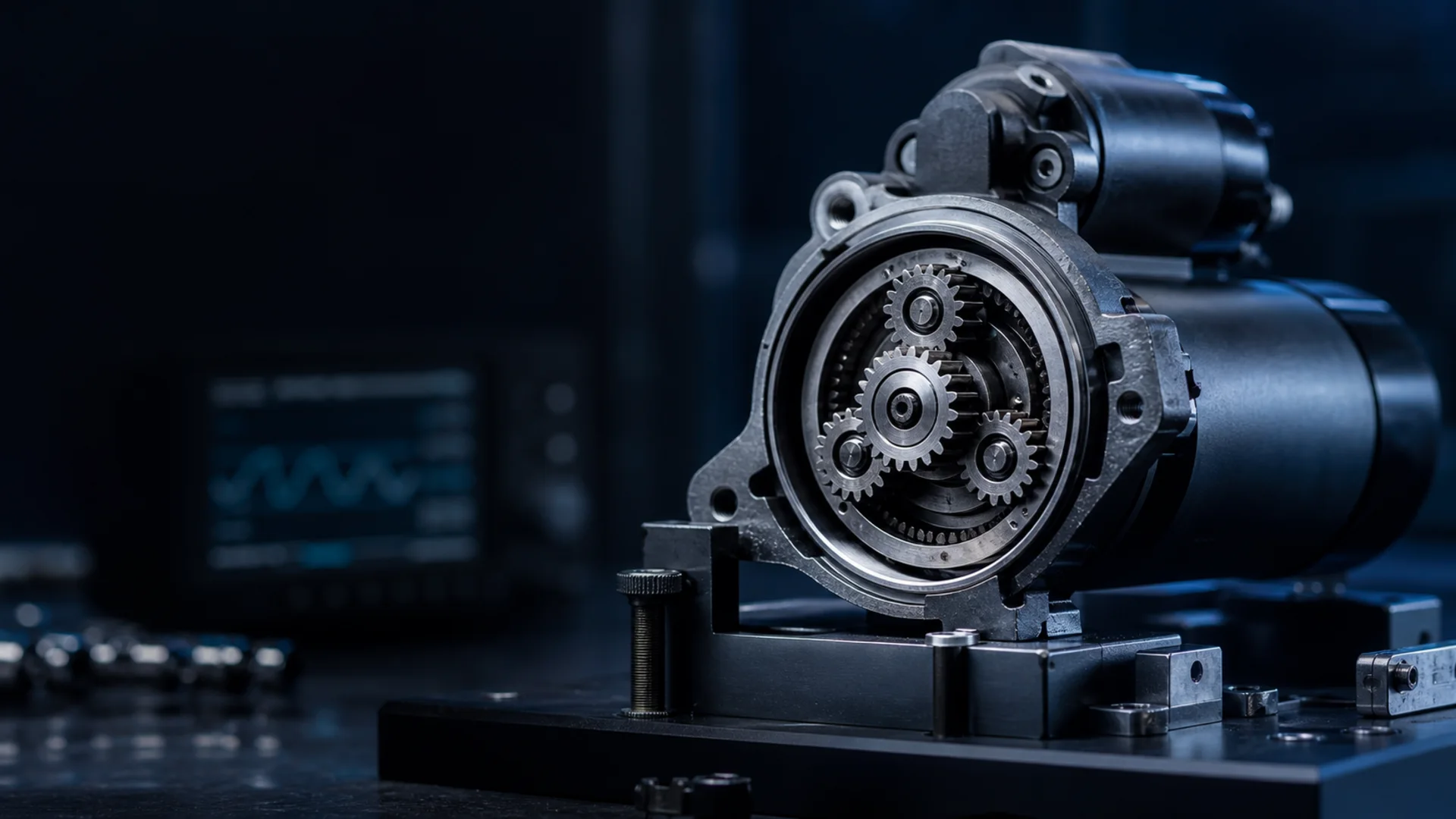
Use a no-load bench test to check how the complete starter runs without applied output load. Use a loaded test when the acceptance requirement calls for torque and speed under specified conditions. Both results can belong on a rebuild report. Each needs the terminal voltage, starter reference and procedure that apply to the reading.
Read the purpose of the no-load check
In a no-load run, the bench can record starter terminal voltage, current and output speed with no applied external load. Review those readings together. If the approved setup also checks pinion movement, record the position or observation separately. A technician may hear the starter run, but the release decision should use the result specified for that model. Pay particular attention to the supply voltage at the point and time the procedure names.
A starter that meets the free-speed and current limits has passed those checks. A loaded requirement such as speed at a stated output torque still calls for evidence at that operating point. Torque transfer through the clutch, the motor’s ability to deliver output, and the electrical supply all enter the loaded result. The difference is useful when determining what evidence a returned or rebuilt unit still needs.
Compare results at the terminal conditions in the procedure
SAE J544 describes a recommended practice for measuring electric starter output and presenting a performance curve. Use the revision, test setup and limits that apply to the starter and the customer agreement. State where the bench measures torque and speed, whether it uses an adapter or representative mesh, and how the reported channels relate to the specified output.
Record voltage at the starter terminals under the applicable load. A supply reading taken upstream of the connections may differ from the voltage available to the starter while current is flowing. DENSO describes voltage drop in the starting circuit as a possible contributor to cranking problems. If a bench reading comes in below the specified condition, review the supply and connections before using the run to disposition the unit.
| Check | Include in the record | Acceptance basis |
|---|---|---|
| No-load run | Measured terminal voltage, current and output speed under the prescribed setup | Specified unloaded limits for the complete starter |
| Loaded points or curve | Terminal voltage, current, torque, speed and test condition for each point | Specified output at the stated load and voltage |
| Drive or clutch component check | Part and revision, fixture reference and required component observations or measured results | Component approval under its own procedure |
| Repeat or exception | Temperature or timing change, altered setup, uncertainty and reason for repeat | Agreed disposition rule with the original result retained |
Work through a starter that runs freely but falls short under load
Suppose a rebuilt starter is within its no-load speed and current limits, yet the measured speed at the required torque is too low. First compare the recorded terminal voltage with the required condition. Check the test timing and initial temperature. If either differs from the procedure, document the difference and follow the approved repeat rule. The original result is still useful for diagnosing the setup.
If the test conditions were correct, compare the current, torque and speed with the applicable limits. Ask whether the output motion and applied load were measured at the specified members. Look for a change that coincides with load, such as movement at an interface or unexpected speed variation. Use the electrical and mechanical evidence together to decide which part of the starter the responsible test team will inspect next. DENSO identifies worn teeth and a defective drive as possible causes in cases where a starter turns without cranking the engine. That symptom alone leaves several possibilities open. Keep the failed run with the recorded setup and measurements so the next reviewer can trace the observation.
Make bench results comparable from one run to the next
Record the starter assembly number, revision, sample or serial ID and the test procedure. Include the bench and fixture references. If a rebuild used a replacement drive, record that drive’s approved number against the fitted unit. Keep the part temperature, rest interval or test duration that the procedure requires. Where measurements are near a limit, follow the agreed rule for measurement uncertainty and repeat runs.
Changes in adapters, test point definitions or electrical connections can affect comparability. If a second shift uses another bench, confirm which conditions must be reproduced. The report should let a reviewer tell whether the tests used the same terminal voltage, output location and load basis before comparing numbers. Have qualified personnel use suitable guarded equipment for powered tests and follow the applicable starter test procedures.
Release the assembly and the replacement part against their own requirements
A clutch report for a loose drive can substantiate the agreed component requirements. The complete starter report covers the assembled output and electrical behavior at the specified conditions. If a buyer requires both, put them on the order or approval record with separate evidence fields. A satisfactory result on the assembled test still leaves any separately required component check to be recorded.
If the required loaded data are missing, record the unresolved acceptance item before releasing the lot. Agree who will obtain the missing results, which starter references are covered, and what evidence accompanies the shipment. For a rebuild program that shares a drive across several starters, keep the drive reference with the assembly test on each covered configuration as required by the approval.
Ask for the readings behind a performance point
When a report lists a torque and a speed, check that they came from the same operating point. A maximum torque recorded near stall and a free-running speed answer different questions. Pair the readings with the relevant terminal voltage and current. If the requirement sets more than one point, record each one separately. The report should make it possible to see which points satisfy the requested condition and which still need a disposition.
Mechanical output power at a measured point follows torque multiplied by angular speed at the same location. For example, a hypothetical output of 8 N·m at 1,200 rpm corresponds to about 1.01 kW of mechanical power. If the reported torque and speed are taken on different sides of an adapter or gear train, put them on the same basis before calculating power. Use the actual starter specification for the acceptance limit.
Keep a row for every retest and record why it was needed. A corrected connection or a different fixture can explain why the second reading changed. Preserve the original result and identify which run was made under the approved conditions. If the change was made to the starter itself, link that work to the test so the accepted result applies to the unit’s final build. Record the changed component by part number and revision.
For repeat lots, agree who reviews boundary results and whether raw traces or selected readings must stay on file. That agreement helps the supplier and buyer compare like results when the same starter is rebuilt again or when a second bench is brought into use.
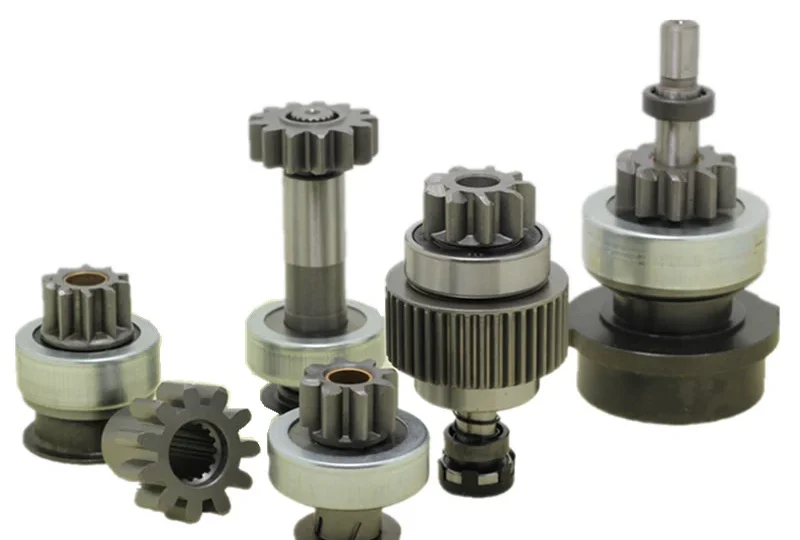
For a starter drive inquiry, include the starter reference, approved drive number and the checks used to release the finished unit. State which of those requirements apply to the loose component on the purchase order. Discuss the starter drive specification.