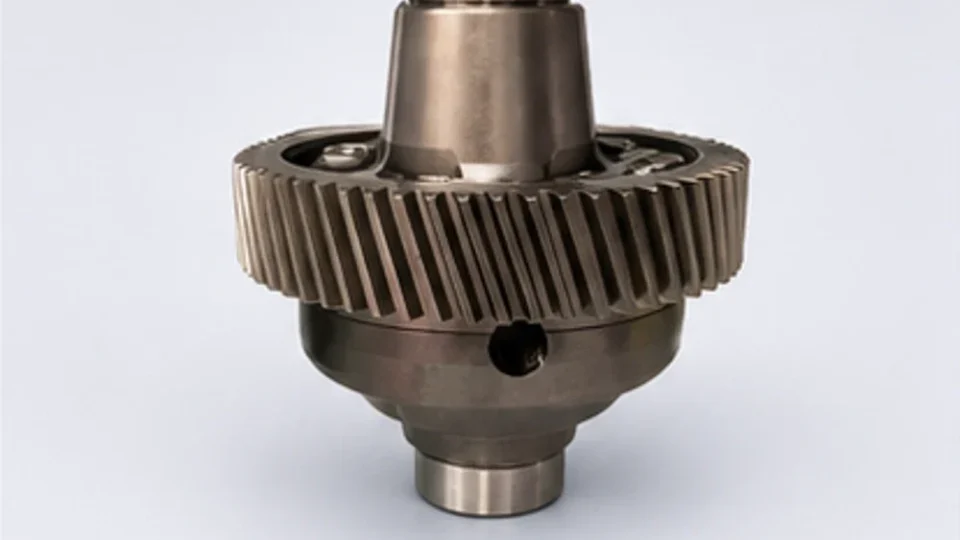


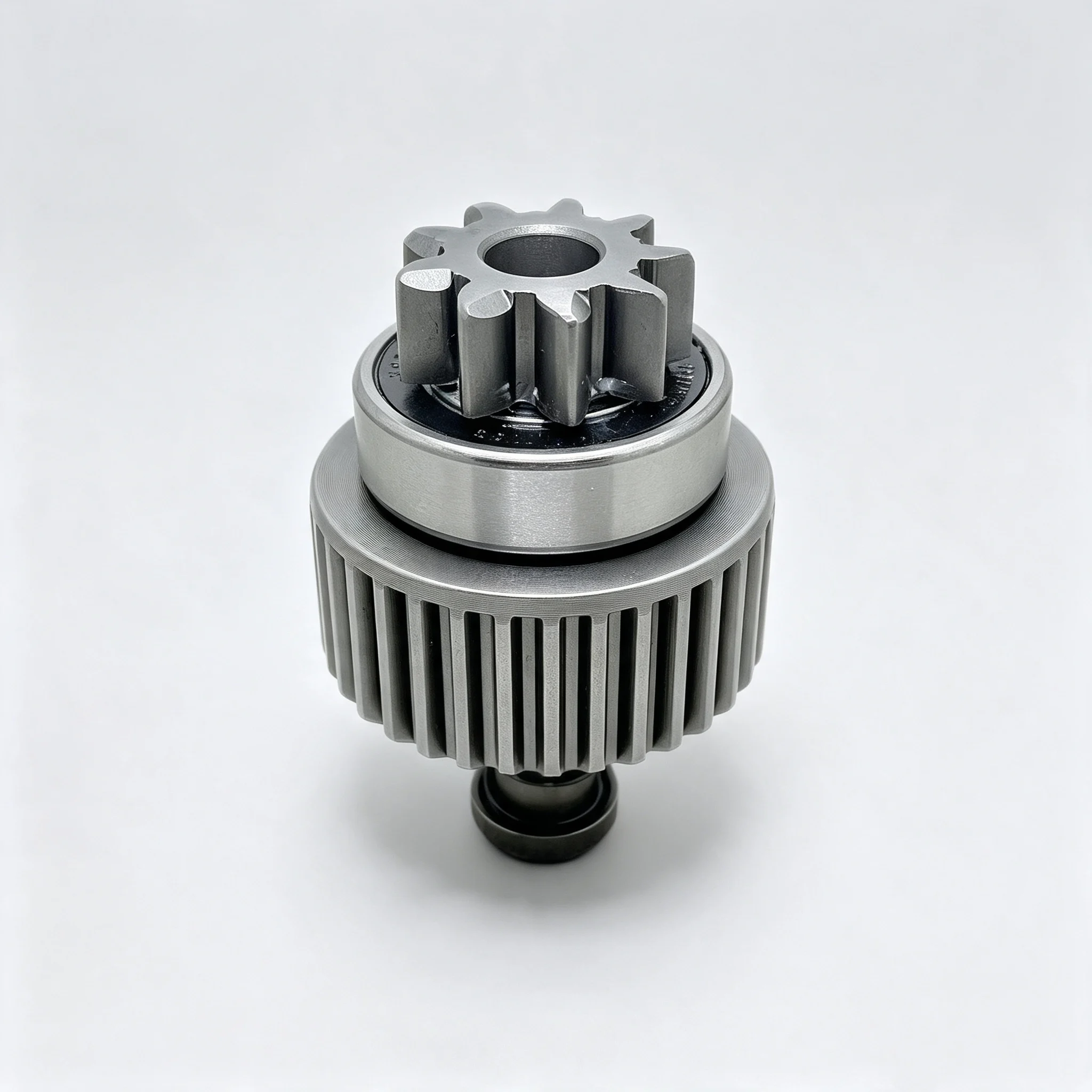
Why does your gear reducer fail before the rest of the drivetrain?
Choosing a gear reducer is not simply a matter of matching a reduction ratio. The real problem starts when the reducer cannot handle the actual load, torque, shock load, duty cycle, or mounting condition. The result can be overheating, excessive backlash, gear tooth wear, shaft damage, vibration, and unexpected downtime. For wholesalers and purchasing managers, these failures quickly become quality claims, warranty costs, and delayed deliveries. A reliable solution requires more than a catalog number. You need to verify input speed, output torque, reduction ratio, service factor, efficiency, gear material, lubrication, and mounting configuration. This is especially important for industrial automation and shaft mount gear reducers, where installation alignment and load conditions directly affect service life.
A gear reducer is a mechanical transmission that lowers input speed while increasing usable output torque. Proper selection depends on the required reduction ratio, output torque, input speed, efficiency, service factor, mounting arrangement, and duty cycle. Pan Nation, an experienced Manufacturer and Supplier, provides customizable drivetrain components for demanding industrial applications.
To select a reducer confidently, it helps to understand how the transmission actually changes speed and torque. The following sections examine the key technical factors, sizing considerations, and mounting requirements that determine whether a reducer performs reliably in real applications.
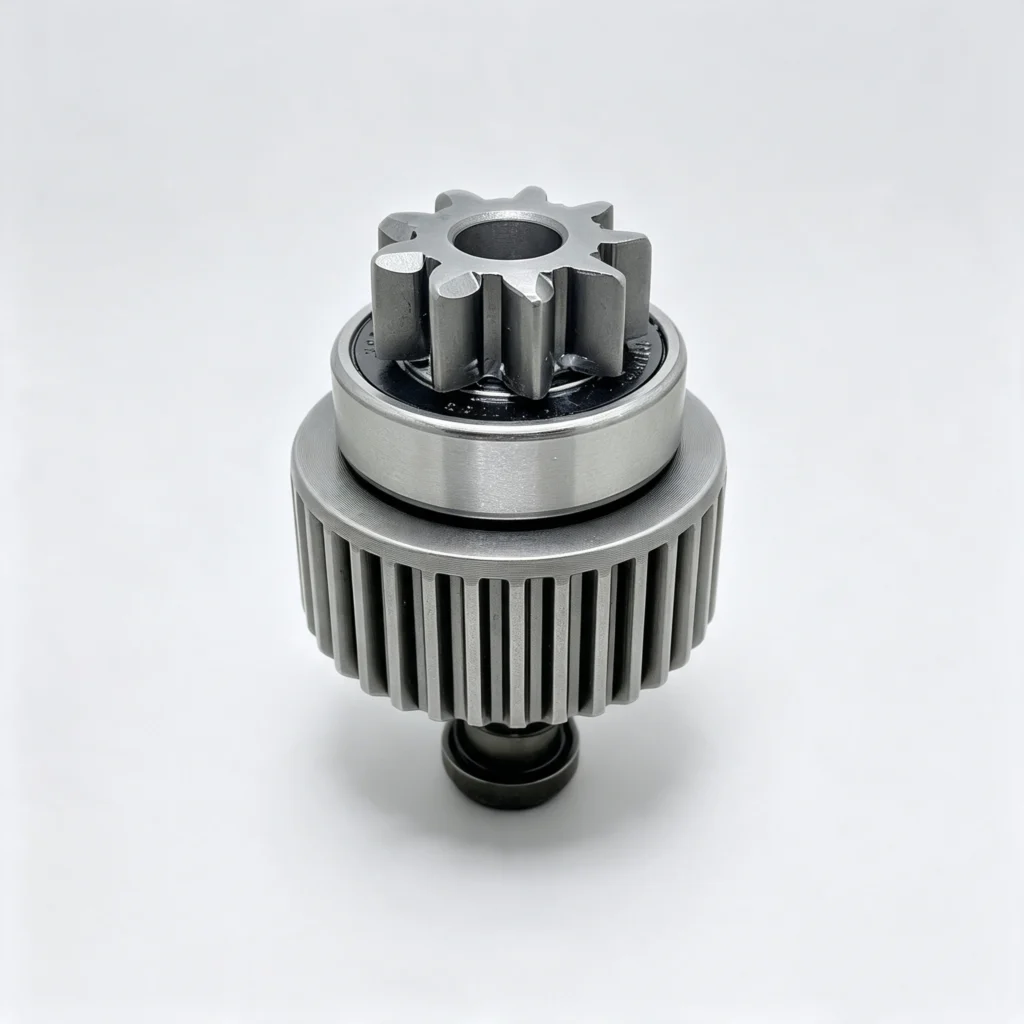
1. How does a gear reducer change speed and torque?
A gear reducer uses gears with different tooth counts to reduce rotational speed and transmit torque. The basic relationship is the reduction ratio:
i = nin / nout
For example, if the input speed is 1,500 rpm and the reduction ratio is 10:1, the theoretical output speed is approximately 150 rpm. At the same time, output torque increases substantially, although actual torque is reduced by transmission losses.
| Parameter | Example A | Example B |
|---|---|---|
| Input Speed | 1,500 rpm | 1,500 rpm |
| Reduction Ratio | 10:1 | 20:1 |
| Theoretical Output Speed | 150 rpm | 75 rpm |
| Typical Application Need | Higher speed | Higher torque |
The practical selection point is not simply “higher ratio equals better.” A higher ratio may improve torque multiplication but can also affect efficiency, output speed, backlash, heat generation, and overall transmission size. The correct ratio depends on the driven equipment and its operating cycle.
2. Which specifications determine the correct gear reducer?
The most important specification is output torque. It must be sufficient for both the normal operating load and foreseeable peak loads. Engineers should also evaluate service factor, particularly when the machine experiences frequent starts, stops, impacts, reversing, or variable loads.
Input conditions matter equally. The reducer must be compatible with the motor’s rated speed, power, shaft dimensions, and mounting configuration. A technically correct ratio is still unsuitable if the input shaft or housing cannot integrate with the existing drivetrain.
Other critical parameters include:
- Reduction ratio and required output speed
- Rated and peak output torque
- Input power and rotational speed
- Service factor and duty cycle
- Gear material and heat treatment
- Lubrication method and operating temperature
- Backlash, noise, vibration, and efficiency
For buyers, these details also determine whether a product is genuinely OEM or ODM suitable. A capable Supplier should be able to provide drawings, dimensional information, material specifications, inspection requirements, and production consistency rather than only quoting a unit price.
3. Why are shaft mounted gear reducers different?
Shaft mounted gear reducers are designed to mount directly onto the driven machine shaft, reducing the need for a conventional base-mounted gearbox arrangement. This can simplify installation and save space, but it also makes shaft alignment, torque reaction, mounting tolerances, and load distribution particularly important.
In many conveyor and material-handling systems, shaft mount gear reducers are valued because the compact arrangement can reduce the number of separate drivetrain components. However, installation errors can produce excessive radial or axial loading. Poor alignment may increase vibration, bearing stress, gear wear, and operating temperature.
| Selection Factor | Why It Matters |
|---|---|
| Output Torque | Determines whether the reducer can handle the driven load. |
| Service Factor | Accounts for shock, starts, stops, and variable operating conditions. |
| Mounting Type | Determines compatibility with the machine structure and shaft. |
| Efficiency | Affects energy loss and heat generation. |
| Backlash | Influences positioning accuracy and mechanical response. |
For a B2B buyer, customization may therefore be more valuable than simply selecting the lowest-cost standard model. A Customizable reducer solution can be developed around shaft dimensions, mounting requirements, transmission parameters, and application conditions.
4. What should a professional buyer check before ordering?
A professional Wholesaler should evaluate the complete supply chain, not just the gearbox itself. Stable quality depends on controlled machining, gear processing, heat treatment, assembly, inspection, and final testing.
Before placing a bulk order, request the technical drawing and confirm the critical dimensions. Verify gear ratio, torque rating, shaft size, mounting dimensions, material, heat treatment, lubrication, tolerances, and inspection standards. If the application involves repetitive production, ask how the Manufacturer controls dimensional consistency between batches.
For overseas customers, supply stability is equally important. A suitable Supplier should support OEM/ODM requirements, customizable specifications, private labeling, repeat production, and export packaging. These factors reduce the risk of receiving technically different products from one shipment to the next.
Pan Nation operates as a factory-oriented Manufacturer serving international B2B customers. For buyers comparing Chinese drivetrain suppliers, the practical goal is straightforward: match the reducer to the application, verify the critical parameters, and establish consistent production requirements before mass ordering.
Conclusion: choose the reducer by engineering data, not price alone
A reliable gear reducer must match speed, torque, duty cycle, mounting, and load conditions. Pan Nation supports OEM, ODM, and customizable requirements. Contact our technical sales team to discuss your application and request a suitable solution for your project.