

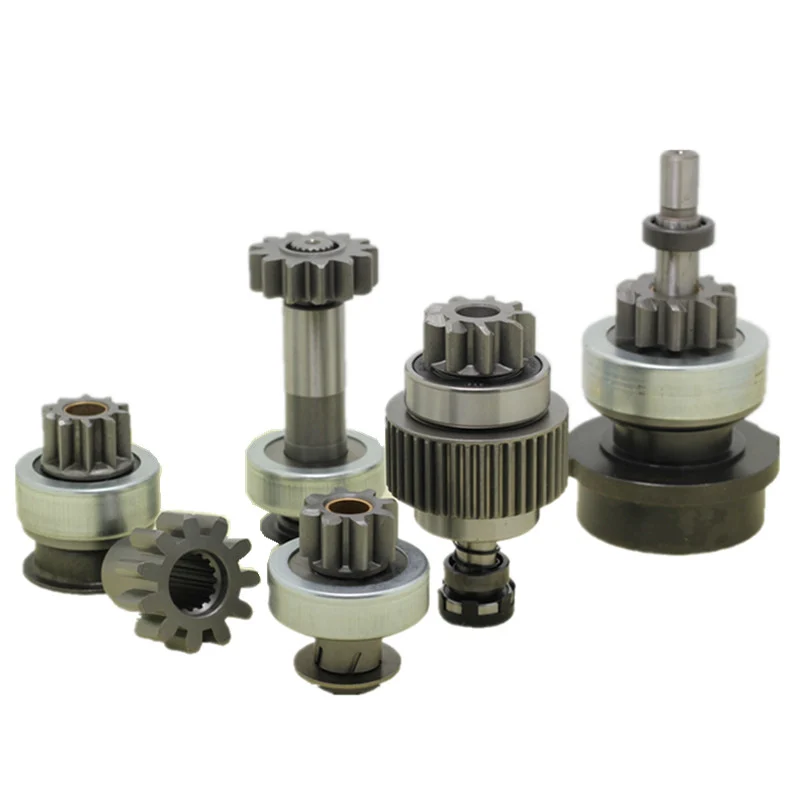
A replacement starter with a different pinion tooth count can be correct if its manufacturer approves that complete unit for the actual engine and ring gear. A loose drive for a rebuild needs its own approval. If a catalogue shows a ten-tooth replacement for a nine-tooth starter, first check which part the reference covers. That answer determines what the buyer can order.
Check the engine, ring gear and starter as a set
Start with the number on the removed starter and the engine or equipment it came from. A vehicle model is useful context, but it may cover several engines, production changes or a starter replaced during service. Record the engine variant and the actual ring gear reference. On an older machine, confirm that the engine or flywheel is still the configuration shown in the parts book. If the ring gear identity is uncertain, have the service team verify it according to the equipment manufacturer’s procedure.
Delco Remy describes situations in which the recommended complete replacement has a different pinion. Its guidance calls for checking the engine, the recommended starter and the ring gear, including its tooth count. It also calls for inspecting the ring gear and removed pinion for damage. Apply the recommendation to the starter and application named in the reference. Record both starter part numbers so the comparison can be traced back to the same application.
What a different count changes at the mesh
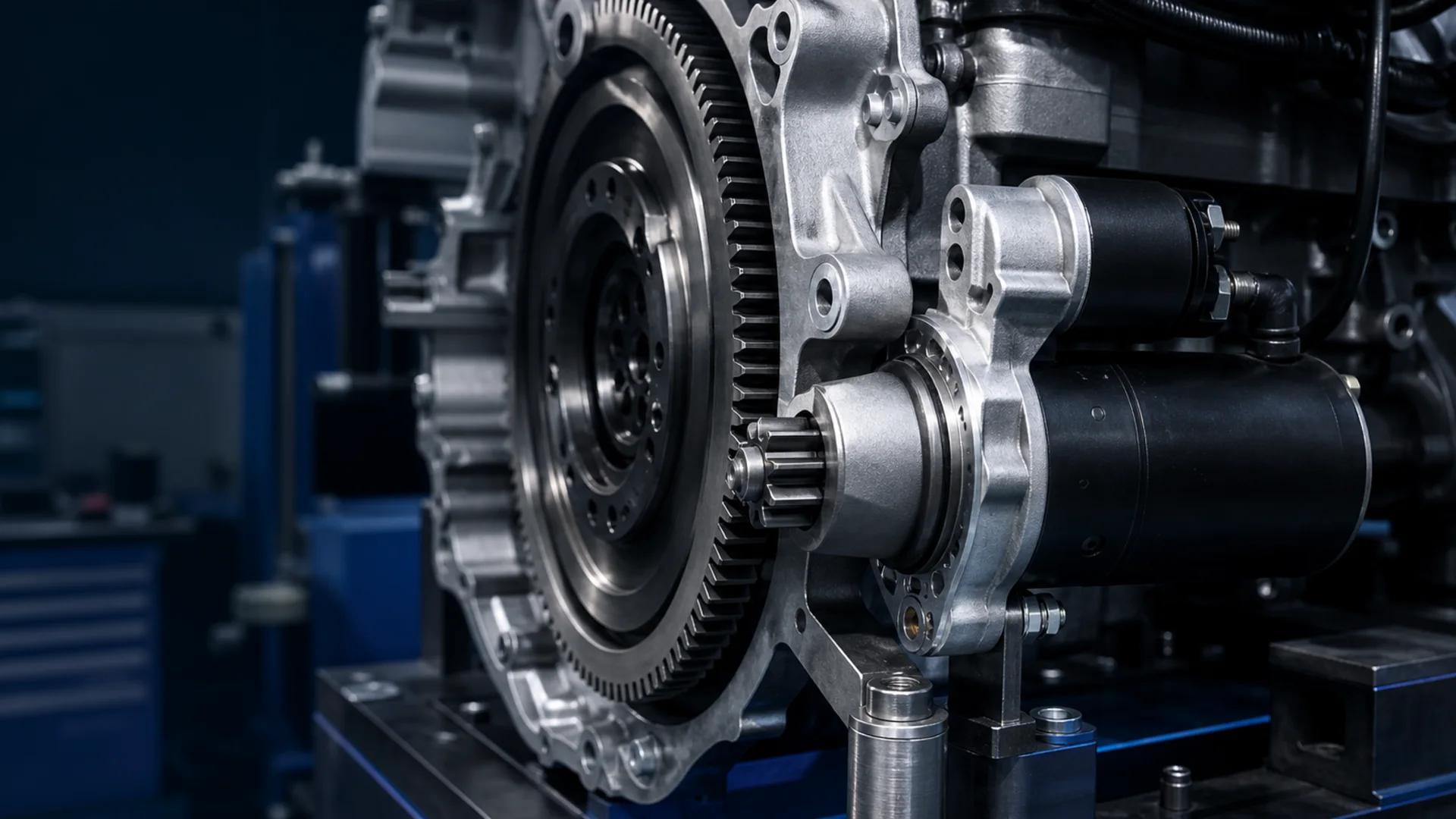
The pinion has to meet the ring gear at the installed center distance. In a conventional unshifted external gear example at a common module, pitch diameter increases with tooth count. An actual starter pinion can have additional tooth geometry changes, so the count and a caliper measurement across the tips do not establish the working mesh. Compare the applicable pitch system and tooth form using the drawings or manufacturer fitment information.
Axial engagement is a separate check. Locate the pinion in its rest and engaged positions relative to the starter mounting face. Check the tooth overlap and contact location against the ring gear in that position. A pinion that reaches the edge of the ring gear may still have insufficient working overlap. The travel stop, offset of the drive and the starter housing can all enter that comparison. Record the assembly references before measuring so both parties know which faces and conditions the numbers describe.
| Compare | Evidence to retain | Purchasing decision |
|---|---|---|
| Complete starter identity | Original and replacement numbers, including suffixes, and the source that links them | Verify the manufacturer lists the proposed unit for the actual application |
| Ring gear | Part or engine reference, tooth count if required, and condition | Resolve an unknown or changed ring gear before accepting the match |
| Installed engagement | Mounting face and axis, pinion rest and engaged positions, overlap and contact criteria | Use the approved configuration for the stated starter or drive |
| Loose drive | Drive number and revision, shaft interface, travel, rotation convention and approval record | Release the component against its own verified match |
When a complete starter cross-reference is enough
Suppose a service catalogue lists a ten-tooth starter as the replacement for a nine-tooth assembly. The starter manufacturer confirms the replacement against the engine and the ring gear fitted to the equipment. If the order is for the complete starter identified by that confirmation, record the source version and any conditions such as an engine serial range or mounting variant. Keep the approval with the complete unit’s part number so it can be checked at the next reorder.
If the order is for 200 loose drives to rebuild the nine-tooth starter, keep the original drive and shaft interfaces in view. The complete replacement may reach the ring gear with a different pinion position or assembly geometry. A loose drive might slide onto a shaft yet alter the engaged position, or approach the ring gear with a tooth form developed for a different arrangement. Ask for the drive-level replacement relationship. If the supplier proposes a change based on a drawing or controlled sample, agree how the mating parts and full installed travel will be approved.
When a sample and the catalogue disagree
Keep the source records as received. Note whether each identifies an engine, a starter assembly, a drive or a pinion. Mark the drawing revision and compare the entire suffix. If an old photograph appears to show a different count, ask which orientation and part number it depicts. Check the actual part against the controlled reference with the full tooth circumference visible. A stock image or a partially obscured view should carry less weight than the actual dimensions and approval record.
If the previously fitted pinion is damaged, have the mating ring gear checked before interpreting the wear pattern or trying a replacement. A worn sample is still useful for identification if its markings and untouched features are recorded. Use the released drawing or approved new reference to judge acceptance. Preserve the supplied tooth geometry while the question is open and refer an undocumented change back to the responsible technical team.
Keep the approved replacement direction in the record
If a manufacturer supersedes one complete starter with another, store the old number, new number and the direction of that relationship. Record any condition attached to it. A document that authorizes a new starter in place of an old one may say nothing about installing the old starter where the new one was originally specified. If the business orders in both directions, ask the manufacturer to confirm the second use separately.
Use the same distinction when building a stock list for a rebuild line. Map each original core to its approved components. Where a consolidated drive is proposed, give each starter variant its own approval entry. Include the pinion rest and engaged positions used for sample review. Keep the manufacturer cross-reference, inspection record and allowed configuration together so a later purchaser can see which evidence justified the order. Verifying a starter drive cross-reference.
What to send with a replacement inquiry
- State whether the order is for a complete starter, a loose drive or a pinion.
- Attach the original starter number and the proposed replacement, with the source and date of the cross-reference.
- Include the engine or equipment variant, ring gear reference and any verified changes made in service.
- For a loose drive, attach mating drawings or photos, the shaft interface and the required start and end positions.
- State the quantities by variant and what evidence is required to release the first order.
If you need to identify multiple cores before ordering, use the starter reference and drive identity for each row. A single shared line for the vehicle model makes it hard to tell which incoming part belongs to which build. Starter drive fitment by actual starter reference.
For an initial sample, agree the reference assembly and acceptance date before releasing volume. If a comparison includes engagement depth or contact position, attach the drawing or report showing the measurement reference. A remark that the replacement “fits” should identify the starter, ring gear and approved operating configuration. When a different engine or ring gear arrives later, route it through a new fitment review.
Send the records for the tooth-count difference and specify the component you are sourcing. Submit a wholesale starter drive inquiry.